Category Archives: ไวยากรณ์ภาษาอังกฤษ

ความแตกต่างระหว่าง hard – hardly

hard – hardly

คำศัพท์ชวนสับสน hard – hardly

คำศัพท์ชวนสับสน hard – hardly

ทุกคนคงเคยเห็นคำว่า hard และ hardly แต่อีกหลายคนอาจไม่รู้ว่าสองคำนี้ ความหมายมันไม่ได้ใกล้เคียงกันเลย คำว่า hard แปลว่า หนัก หรือ ยาก พอเติม ly เข้าไปปุ๊บมันคงจะเป็น adverb ที่แปลว่า อย่างหนัก แน่ๆเลย ถ้าคุณคิดอย่างนั้น คุณคิด…ผิดค่ะ!!!  เพราะ hardly แปลว่า “แทบจะไม่, เกือบจะไม่, เกือบจะไม่มี”   ส่วนรูป adverb ของ hard ก็คือ hard นั่นเองค่ะ เขียนเหมือนกัน อ่านเหมือนกัน เช่น

  • Hard work leads to success.
    งานหนักนำไปสู่ความสำเร็จ ( hard นำหน้าคำนามเป็น adjective)
  • You should work hard.
    คุณควรจะขยันทำงาน (hard ในประโยคนี้เป็น adverb ขยายกริยา work)
  • We hardly ever go out nowadays.
    เดี๋ยวนี้พวกเราแทบจะไม่ได้ออกไปไหนกันเลย
  • I hardly exercise.
    ฉันแทบจะไม่ออกกำลังกาย

คำศัพท์ที่มีลักษณะคล้ายๆกัน คือคำว่า late – lately

late แปลว่า ดึก, สาย แต่ lately ไม่ใช่ adverb ของ late ที่แปลว่า อย่างสาย, อย่างดึกนะคะ แต่ lately เป็น adverb แปลว่า เร็วๆนี้, หมู่นี้   เช่น

  • He is often late. เขามาสายบ่อยๆ
  • I haven’t seen you lately. หมู่นี้ผมไม่ได้เจอคุณเลย

อีกคำหนึ่งคือคำว่า near – nearly
near เป็น adjective แปลว่า ใกล้   แต่ nearly เป็น adverb แปลว่า เกือบจะ   เช่น

  • I sit near the window. ฉันนั่งใกล้ๆหน้าต่าง
  • I was kept waiting nearly an hour.     เธอทำให้ฉันรอมาเกือบๆจะชั่วโมงละนะ
  • He is nearly forty. เขาอายุเกือบจะ 40 แล้ว

** เวลาเลือกใช้ก็ระวังด้วยนะคะ ก็เหมือนใครบางคนบอกไว้ สิ่งที่เห็นอาจไม่เป็นอย่างที่คิด   ^^

หลักการใช้ be ในภาษาอังกฤษ

หลักการใช้ be ในภาษาอังกฤษ

หลักการใช้ be

หลักการใช้ be
หลักการใช้ be

หลายคนคงจะเคยเห็นคำว่า be อยู่ในประโยคภาษาอังกฤษมาบ้าง ซึ่งบางทีก็ชวนสับสนเหมือนกันว่า be มันคืออะไร แล้วใช้ยังไง และคำถามที่น่าจะโดนใจใครหลายๆคนคือ “จะรู้ได้อย่างไรว่าตรงนี้ต้องใช้ be”

ก่อนอื่นคงต้องมาทำความรู้จักกับ be ก่อนว่า be คืออะไร?   be ก็คือ รูปธรรมดาหรือ base form ของ verb to be (is, am, are) ที่เรารู้จักนั่นแหละค่ะ หลักการใช้ be มีดังนี้ค่ะ

**   เรามักจะเห็น be อยู่ตามหลัง กริยาช่วยหรือ modal verb (will, would, can, could, may, might, must, should, etc.) เช่น

  • We should be hardworking.
    พวกเราควรจะขยัน
  • He should be a teacher because he can get along well with children.
    เขาควรจะเป็นครูเพราะเขาเข้ากับเด็กๆได้ดี

** ทำไมหลังกริยาช่วยเหล่านี้ต้องเติม be น่ะเหรอ? เหตุผลก็คือ
ปกติกริยาช่วยเหล่านี้ต้องบวกด้วยกริยารูปธรรมดา ——–Modal verb + V (base form)——-  เช่น I should go.

แต่ประโยคแรก hardworking เป็น adjective ไม่ใช่ verb    แล้วทำยังไงล่ะทีนี้?? ถ้าเราจำกฎของ adjective ได้คือ adjective สามารถตามหลัง verb to be ได้ แล้วบังเอิญว่ามันตามหลัง modal verb เราก็ต้องเลือกใช้ verb to be รูป base form ซึ่งก็คือ be นั่นเอง!! เริ่มจะเก็ทมานิดๆแล้วใช่มั๊ยคะ

ส่วนประโยคที่สอง a teacher เป็นคำนาม ในประโยคนี้ต้องมี verb to be ในความหมายว่า   “เป็น” พอตามหลัง should ซึ่งเป็น modal verb จึงต้องเป็นรูป base form Continue reading →

การใช้ So do I และ Nor do I

So do I และ Nor do I

การใช้ So do I และ Nor do I

การใช้ So do I และ Nor do I

เวลามีใครพูดอะไรมา แล้วเราอยากจะบอกประมาณว่า “ฉันก็เหมือนกัน” ส่วนใหญ่นึกถึงคำว่าอะไรกันคะ Me, too กันใช่มั๊ย จำง่ายและพูดง่าย แต่ในการแสดงความเห็นด้วยเราสามารถพูดได้หลายรูปแบบเลยค่ะ แต่ก่อนที่จะดูกันเราต้องแยกระหว่างประโยคบอกเล่ากับประโยคปฏิเสธให้ได้ก่อนค่ะ เพราะการแสดงความเห็นด้วยของประโยคบอกเล่าและปฏิเสธไม่เหมือนกัน เช่น ถ้าเพื่อนบอกว่า   I’m so hungry.   เราหิวเหมือนกันก็บอกว่า Me, too. ได้  แต่ถ้าเพื่อนบอกว่า   I don’t know him. แล้วเราก็ไม่เหมือนรู้จักเหมือนกัน ก็ต้องบอกว่า Me, neither. แปลว่า ฉันก็ไม่รู้จักเขาเหมือนกัน จะใช้ Me, too ไม่ได้ค่ะ

บอกเล่า >……………< ปฏิเสธ

Me, too. >……………<   Me, neither.
I do, too. >…………….< I don’t either.
So do I.   >……………..< Nor do I

มาดู So do I กับ Nor do I กันค่ะ เป็นอีกสำนวนหนึ่งที่น่าจำไว้ใช้ในการแสดงความเห็นด้วย สำหรับ Nor do I เราสามารถใช้ Neither do I แทนได้ กริยาช่วยไม่จำเป็นต้องเป็น do เสมอไปนะคะ โครงสร้างประโยคเป็นอย่างนี้ค่ะ

  • โครงสร้าง “…เหมือนกัน” ในประโยคบอกเล่า ==> So + กริยาช่วย + ประธาน
  • โครงสร้าง “…เหมือนกัน” ประโยคปฎิเสธ ==> Nor / Neither + กริยาช่วย + ประธาน

มาดูตัวอย่างกันเลยค่ะ

  • A: I can’t drive. ฉันขับรถไม่เป็น
  • B: Nor can I.    ฉันก็ไม่เป็นเหมือนกัน
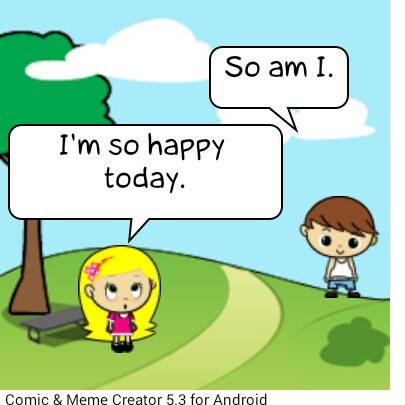
  • A:   I’m so happy today.   วันนี้ฉันมีความสุขมาก
  • B: So am I.     ฉันก็เหมือนกัน

ประธานไม่จำเป็นต้องเป็น I เสมอไปนะคะ จะเป็นคนอื่นก็ได้เช่น

  • A: Sara understands Spanish.   ซาร่าพูดสเปนได้
  • B: So does her husband.   สามีเจ้าหล่อนก็เหมือนกัน

** ถ้าเบื่อ Me, too แล้วก็ลองเอา So do I หรือ Nor do I ไปใช้ดูนะคะ ฝรั่งเขาจะได้มองว่าภาษาอังกฤษของคุณเนี่ยไม่ธรรมดานะเนี่ย ^^

คำ Adjective ที่ลงท้ายด้วย -ing และ -ed ต่างกันอย่างไร

คำ Adjective ที่ลงท้ายด้วย -ing และ -ed

ก่อนอื่นเรามาทบทวนคำ Adjective กันก่อนว่ามีหน้าที่อย่างไรในประโยค

โดยทั่วไปแล้ว Adjective ทำหน้าที่อธิบายขยายความคำนามในประโยคว่ามีลักษณะอย่างไร  เช่น red, tall, short, long, hot,  cold  เป็นต้น

  • He wears white shirt. (วาง white adj. หน้าคำนาม เพื่ออธิบายลักษณะของคำนามนั้นว่าเป็นอย่างไร)
  • She has a red car.
  • My shoes is black.  (วาง black adj. หลัง Verb to be เพื่ออธิบายคำนามในประโยคว่าเป็นอย่างไร)

แต่ก็มี adjective บางคำที่ยืมมาจากคำกริยา และทำการเปลี่ยนรูปเป็น adjective โดยการเติมคำกริยาด้วย ed หรือ ing แล้วให้ความหมายในรูปแบบใหม่ โดยวิธีใช้ที่แตกต่างกัน ถ้าเราเข้าใจความหมายของคำเหล่านี้ ก็จะทำให้เราใช้คำเหล่านี้ได้อย่างถูกต้อง ซึ่งเป็นพื้นฐานที่สำคัญยิ่ง

Adjectives that end in -ed are used to describe how people feel
Adjectives that end in -ed are used to describe how people feel.

Adjective ที่ลงท้ายด้วย -ing และ -ed นั้นมีวิธีการใช้งานแตกต่างกันดังนี้

1. คำ Adjective ที่ลงท้ายด้วย -ed ใช้แสดงอารมณ์ความรู้สึก เช่น รู้สึกเบื่อ(bored), รู้สึกรำคาญ(annoyed), รู้สึกสนใจ(interested) เป็นต้น

  • I’m bored.
  • I’m so exiteded!
  • I’m so scared.
  • I’m  interested in sports.

2. คำ Adjective ที่ลงท้ายด้วย -ing  ใช้อธิบายความความรู้สึก เช่น น่าเบื่อ(boring), น่ารำคาญ(annoying), น่าสนใจ(interesting)

  • I think he is boring.
  • This is an interesting news.
  • This is really confusing!
  • That’s disgusting!
  • This is terrifying!

ตัวอย่างคำ Verb ที่เปลี่ยนเป็น Adjective ที่ลงท้ายด้วย -ing และ -ed

 Verb  รู้สึก ‘-ed’  น่า ‘-ing’
  • annoy
  • bore
  • charm
  • confuse
  • depress
  • disappoint
  • excite
  • fascinate
  • frustrate
  • frighten
  • interest
  • satisfy
  • terrify
  • thrill
  • annoyed รู้สึกรำคาญ
  • bored รู้สึกเบื่อ
  • charmed รู้สึกหลงไหล
  • confused รู้สึกสับสน
  • depressed รู้สึกหดหู่
  • disappointed รู้สึกผิดหวัง
  • excited รู้สึกตื่นเต้น
  • fascinated รู้สึกหลงไหล
  • frustrated รู้สึกหงุดหงิด
  • frightened รู้สึกหวาดกลัว
  • interested รู้สึกสนใจ
  • satisfied รู้สึกพอใจ
  • terrified รู้สึกหวาดกลัว
  • thrilled รู้สึกตื่นเต้น
  • annoying น่ารำคาญ
  • boring น่าเบื่อ
  • charming น่าหลงไหล
  • confusing น่าสับสน
  • depressing น่าหดหู่
  • disappointing น่าผิดหวัง
  • exciting น่าตื่นเต้น
  • fascinating น่าหลงไหล
  • frustrating น่าหงุดหงิด
  • frightening น่าหวาดกลัว
  • interesting น่าสนใจ
  • satisfying น่าพอใจ
  • terrifying น่าหวาดกลัว
  • thrilling น่าตื่นเต้น

วิธีการออกเสียงคำกริยาที่เติมด้วย ed คลิ๊กที่นี่

อ่านเพิ่มเติม I was bored.


verb to be ใช้ตอนไหน??

verb to be

# verb to be ใช้ตอนไหน??

verb to be

ข้อผิดพลาดของคนไทยในการใช้ภาษาอังกฤษที่เห็นบ่อยมากก็คือ การใช้ verb to be ไม่ถูกต้อง คือ ในประโยคที่ไม่ต้องการ verb to be เรากลับใส่เข้าไปในประโยค

ก่อนอื่นเรามาดูก่อนค่ะว่า ประโยคแบบไหนที่ไม่ต้องการ verb to be

** ประโยคที่อยู่ในโครงสร้าง
S + V1
S + V2
จะไม่เติม verb to be นะคะ เช่น

  • I agree with you.

เราจะไม่เขียนว่า I’m agree with you. เพราะ agree เป็น V1 ประโยคนี้เป็น present simple tense ค่ะ
หรืออีกตัวอย่างหนึ่ง

  • She took the bus to school.

ประโยคนี้เป็น past simple tense นะคะ เป็นอดีต กริยา took เป็นช่องสอง เราจะไม่เติม is am are หรือ was were ใดๆ ลงไปหน้า took ค่ะ

ทีนี้เรามาดูกันบ้างว่า ประโยคแบบไหนใส่ verb to be ได้บ้าง

* verb to be + Adjective
เช่น

  • We are ready.

* verb to be + Noun
เช่น

  • He is the president.

* verb to be + preposition
เช่น

  • Now, I am on top of the moutain.

Continue reading →

รากศัพท์ในภาษาอังกฤษ [Root Words]

Root Words ในภาษาอังกฤษ

รากศัพท์ในภาษาอังกฤษ [Root Words]

รากศัพท์ [Root Words] คือคำที่มีความหมายในตัวมันเอง เมื่อนำไปเป็นส่วนประกอบในการสร้างคำศัพท์ใหม่ทำให้เราสามารถทราบถึงความหมายของคำศัพท์ใหม่ได้ง่ายขึ้น

ROOT MEANING EXAMPLE WORDS
Ambi Both
  • Ambidextrous – Use both hands well
  • Ambiguity – Double meaning, can be interpreted in more than one way
Aqua Water
  • Aquarium – Artificial environment for water plants and animals
  • Aquatic – Plant or animal living in water
Art Skill
  • Artistic – Natural skill in art
  • Artisan – Skilled manual work
Auto Self
  • Automatic – Working by itself
  • Autonomous – Having self-government
Bi Two, Twice
  • Biannual – Occurring twice in a year
  • Bigamy – Being married twice
Bio Life
  • Biology – Study of living things
  • Biohazard – Risk to living things
Cardio Heart
  • Cardiology – Branch of medicine dealing with the heart
  • Cardiovascular – Pertaining to the heart and blood vessels
Cent Hundred
  • Centenary – Hundredth Anniversary
  • Centenarian – Person who is hundred or more years old
Cert Sure
  • Certificate – Document attesting a fact like birth, death, graduation, marriage etc
  • Certitude – Feeling of certainty
Chrono Time
  • Chronology – Study of events in the order of their occurrence
  • Chronograph – Instrument that records time with high accuracy
Counter Contrary
  • Counter-intuitive – Contrary to intuition
  • Counter-productive – Having the opposite effect as intended
De Remove
  • Detoxify – Remove the poisonous substances
  • Dethrone – Remove from the throne
Dem People
  • Democracy – System of government elected by the people
  • Demography – Statistics of births, deaths, mortality etc. of people
Derm Skin
  • Dermatologist – Doctor specialized in the study of skin disorders
  • Dermatitis – Inflammation of the skin
Flor Flower
  • Florist – Person who sells flowers
  • Floral – Decorated with flowers
Gastro Stomach
  • Gastritis – Inflammation of the stomach lining
  • Gastroenterologist – Doctor specialized in the study of stomach and intestinal disorders
Grat Pleasing
  • Gratify – Delight or please someone
  • Gratuity – Tip, token of appreciation
Hepa Liver
  • Hepatitis – Inflammation of the liver
  • Hepatic – Relating to the liver
Hept Seven
  • Heptagon – Figure with seven sides
  • Heptathlon – Athletic event having seven events
Hex Six
  • Hexagon – Figure with six sides
  • Hexavalent – Having a valency of six
Inter Between
  • Interconnect – Connect with each other
  • Interdepend – Depend on each other
Iso Equal
  • Isosceles – Triangle having two equal sides
  • Isobar – Line on map connecting points of equal barometer pressures
Jud Law
  • Judiciary – Collective of judges
  • Judgement – Decision of a court
Kilo Thousand
  • Kilogram – Thousand grams
  • Kilolitre – Thousand litres
Lacto Milk
  • Lactic – Obtained from mil
  • Lactose – Sugar occurring in milk
Mal Bad
  • Malevolent – Wishing bad things on others
  • Malice – Intention to do evil
Mort Death
  • Mortuary – Place where dead bodies are kept until they are cremated or buried
  • Mortician – Undertaker
Narr Tell
  • Narrate – To tell a story
  • Narrator – Person who tells a story.
Nov New
  • Novelty – Newness or originality
  • Novice – Beginner
Oct Eight
  • Octagon – Figure with eight sides
  • Octave – Stanza of eight lines
Ocu Eye
  • Ocular – Connected with the eyes
  • Oculist – Specialist in the medical treatment of eye disorders
Omni All
  • Omnipresent – Present everywhere at the same time
  • Omnivorous – Eating all kinds of foods
Ortho Straight
  • Orthodontics – Dealing with straightening of teeth
  • Orthopaedics – Dealing with the straightening of bones
Pan All
  • Panorama – An all-around view
  • Pandemic – Prevalent all over a country or world
Ped Foot
  • Pedicure – Treatment of the feet
  • Pedal – Foot operated lever
Poly Many
  • Polygon – Figure with many sides
  • Polygamy – Having more than one husband or wife at the same time
Psych Mind
  • Psychiatry – Study of mental diseases
  • Psych – Prepare oneself mentally for a task
Quad Four
  • Quadruple – Increase four times
  • Quadrangle – Figure having four sides
Quin Five
  • Quintuple – Increase five times
  • Quintuplet – Five children born at the same time
Semi Half
  • Semi-circle – Half of a circle
  • Semiaquatic – Animal living partly on land and partly in water
Sept Seven
  • Septuplet – Seven children born at the same time
  • Septuagenarian – People aged before 70 and 79
Trans Across
  • Transpacific – Across the Pacific Ocean
  • Transnational – Across national boundaries
Tri Three
  • Triangle – Figure with three sides
  • Triathlon – Athletic event having three events
Uni One
  • Unitarian – People who believes God is one person
  • Unique – One of a kind
Vince Conquer
  • Invincible – One who cannot be conquered
  • Convince – Persuade a person

Suffixes ในภาษาอังกฤษ

Suffixes ในภาษาอังกฤษ

Suffixes  คือคำที่ใส่ไว้ท้ายคำรากศัพท์เพื่อช่วยเปลี่ยนความหมายของคำรากศัพท์เดิม (เช่นเดียวกับ prefixes ที่เอาไว้เติมหน้าคำรากศัพท์)  ตารางด้านล่างนี้เป็นตัวอย่างในการใช้ Suffixes

Suffix Meaning Examples
-able/-ible capable of portable, legible
-ac/-ic like/related to cardiac, Nordic
-acy state/quality of being privacy, legitimacy
-acious/-icious full of gracious, malicious
-al related to logical, philosophical
-ance/-ence state/quality of being maintenance, permanence
-dom state/quality of being freedom, kingdom
-eer/-er/-or person who mountaineer, writer, counsellor
-escent becoming, to be adolescent, fluorescent
-esque like/reminiscent of picturesque, Kafkaesque
-fy to make magnify, electrify
-iferous containing, yielding vociferous, carboniferous
-ise make, become civilise, terrorise
-ish having qualities of hellish, fiendish
-ism doctrine, belief, practice favouritism, communism
-ist person who chemist, florist
-ity state/quality of being ingenuity, oddity
-less without brainless, endless
-ment state/quality of being, result of action, process enjoyment, embankment, abridgement
-ness state of being thinness, loneliness
-oid like celluloid, ovoid
-ose full of adipose, verbose
-osis condition hypnosis, psychosis
-ous full of illustrious, nauseous
-ship position held friendship, membership
-sion/-tion state/quality of being torsion, transition
-tude state/quality of being fortitude, certitude
-y characterised by funny, greedy

อ่านเพิ่มเติม Prefixes ในภาษาอังกฤษ

Prefixes ในภาษาอังกฤษ

Prefixes ในภาษาอังกฤษ

Prefixes ในภาษาอังกฤษ

Prefixes คือคำที่ใส่ไว้หน้าคำรากศัพท์เพื่อช่วยเปลี่ยนความหมายของคำรากศัพท์เดิม (เช่นเดียวกับ suffixes ที่เอาไว้เติมหลังคำรากศัพท์)  ตารางด้านล่างนี้เป็นตัวอย่างในการใช้ Prefixes

Prefix

Meaning

Examples

-a On/in/out/from Away, aboard, arise, alight
-al all Alone, already
-be by Below, before
-by Be/on the side Bypass, byword
-for through forget, forgive
-fore before Forecast, foresee
-gain against Gainsay
-in in Inside, income
-mis wrong Mislead, mistake
-over Above/beyond overflow, overcharge
-out out Outside, outcome
-to this Today, tonight
-un Not/to reverse an action Unkind, untie
-under below Underground, undersell
-with Against/back Withdraw, withhold
-wel In good condition Welcome, welfare

อ่านเพิ่มเติม Suffixes ในภาษาอังกฤษ

การใช้ Preposition หรือ คำบุพบท ในภาษาอังกฤษ [Preprosition In English]

Preprosition

บุพบท (Preposition) คือ คำเชื่อระหว่างกริยา, นาม, สรรพนาม หรือ คำอื่นใด เพื่อบอกสถานที่, เวลา, ทิศทาง และอื่นๆ

เช่น

  • above  อยู่เหนือ (ลอยอยู่ด้านบน)
  • across  ข้าม(สิ่งใดสิ่งหนึ่ง)
  • after หลัง
  • against พิงกับ
  • along ไปตาม
  • among  อยู่ท่ามกลางสิ่งของหลายๆสิ่ง
  • around/round รอบๆ
  • as ในฐานะ
  • at อยู่ที่, ที่
  • away from  ห่างออกไปจาก
  • between อยู่ระหว่างสิ่งของ 2 สิ่ง
  • before ก่อน
  • below อยู่ต่ำลงมาจากบางสิ่ง
  • behind อยู่ด้านหลัง
  • by/next to/beside  ข้างๆ
  • beyond  ที่เหนือกว่า
  • down ลง(จากที่สูง)
  • during  ในระหว่างเวลาใดๆ
  • from จาก
  • off  ลงจาก, ลงมา
  • opposite ตรงข้ามกับ
  • on  อยู่บน
  • onto ขึ้นไป
  • out of  ออกจาก
  • outside ข้างนอก
  • for สำหรับ, เพื่อ
  • in อยู่ใน
  • in front of อยู่ด้านหน้า
  • inside ข้างใน
  • into ไปยัง
  • near  ใกล้กับ
  • past ผ่าน
  • to ไปยัง
  • through ทะลุผ่าน
  • throughout  ตั้งแต่ต้นจนจบ, โดยตลอด
  • toward ตรงไปยัง
  • up ขึ้น(จากที่ต่ำ)
  • under อยู่ใต้
  • upon  บน
  • with กับ, ด้วย
  • within ภายในกำหนดเวลา, ภายในระยะทาง
  • without  ปราศจาก

กริยาวิเศษณ์แสดงความถี่ในภาษาอังกฤษ [Adverbs Of Frequency In English]

กริยาวิเศษณ์แสดงความถี่ในภาษาอังกฤษ

กริยาวิเศษณ์แสดงความถี่ในภาษาอังกฤษ [Adverbs Of Frequency In English]

Adverbs of Frequency คือ กริยาวิเศษณ์แสดงความถี่ โดยเราจะนำ Adverbs of Frequency มาช่วยในการบ่งบอกถึงความบ่อยหรือความถี่ (how often) ของเหตุการณ์ต่างๆ ซึ่งคำเหล่านี้นั้นมีอยู่มากมาย โดยที่มักเห็นได้ทั่วไป นั่นก็คือ

always เป็นประจำ, อย่างสมํ่าเสมอ
often บ่อยๆ
frequently บ่อยๆ
usually โดยปกติ
sometimes บางครั้ง
mostly โดยส่วนใหญ่
normally โดยปกติแล้ว
generally โดยทั่วไป
repeatedly ซ้ำไปซ้ำมา
occasionally ในบางโอกาส
*seldom ไม่ค่อยจะ, นานๆครั้ง
*hardly แทบจะไม่
*barely แทบจะไม่
*rarely แทบจะไม่
*scarcely แทบจะไม่
*never ไม่เคย

*คำว่า seldom, hardly, barely, rarely, scarcely, never เป็นคำที่มีความหมายเป็นเชิงปฏิเสธอยู่แล้ว เราจึงไม่ควรทำให้ประโยคเป็นรูปปฏิเสธอีก เมื่อใช้คำเหล่านี้ เช่น I hardly cook. = ฉันแทบจะไม่เคยทำกับข้าวเลย
และนอกจากคำเหล่านี้ยังมี Adverbs อีกมากมายที่สามารถนำมาใช้ในการบ่งบอกถึงความถี่ได้ เช่น


infrequently นานๆที
habitually ทำเป็นประจำจนเป็นนิสัย
chiefly โดยส่วนใหญ่
continuously ติดต่อกัน, เรื่อยๆ
constantly สม่ำเสมอ
commonly โดยทั่วไป
regularly สม่ำเสมอ
sporadically นานๆครั้ง
periodically เป็นบางครั้งบางคราว
intermittently เป็นพักๆ
spasmodically เป็นพักๆ


และนอกจากคำเหล่านี้แล้ว ยังกลุ่มคำที่ผสมกันซึ่งสามารถแสดงถึงความถี่ได้ เช่น once a week, twice a day, every year และอื่นๆ


ตำแหน่งในการวาง Adverbs of Frequency

1.หากประโยคมี Verb to be เราจะต้องใส่ Adverbs of Frequency ไปหลัง Verb นั้นๆ


Verb to be Adverb of Frequency
Anna Is always late
Anna Isn’t usually late

2.หากประโยคมีการใช้ Main Verb จะต้องใส่ Adverbs of Frequency ไปหน้า Verb นั้นๆ


Adverb of Frequency Main Verb
Anna always watches a television


3. เมื่อใดก็ตามที่ประโยคมี การใช้ Auxiliary Verb (กริยาช่วย) หรือ ประโยคนั้นเป็นประโยคปฏิเสธ เรามักจะใส่ Adverbs of Frequency ไปข้างหลัง Auxiliary Verb นั้นๆ


Auxiliary Verb Adverb of Frequency Main Verb
Anna can never come early
Anna doesn’t usually read books
Anna has always cooked

*เราสามารถเติม Adverbs of Frequency ไปหลัง may, might, can, could และอื่นๆได้ ยกเว้น “have to” และ “used to” Adverb จะต้องอยู่ด้านหน้าเสมอ เช่น I always have to go to a hospital. / I usually used to go trekking.


4. หากเป็นประโยคคำถาม ให้เรานำ Adverb of frequency มาวางไว้หน้า Main Verb


Adverb of Frequency Main Verb
Do you often stay home?
Have you never been to China?


5. เราสามารถวาง Adverbs of Frequency บางตัว ไว้หน้าประโยคได้
Sometimes we sleep in a classroom.
We play football occasionally.

เครดิต : https://www.dek-eng.com